Where Is Santa Teresa, Costa Rica?
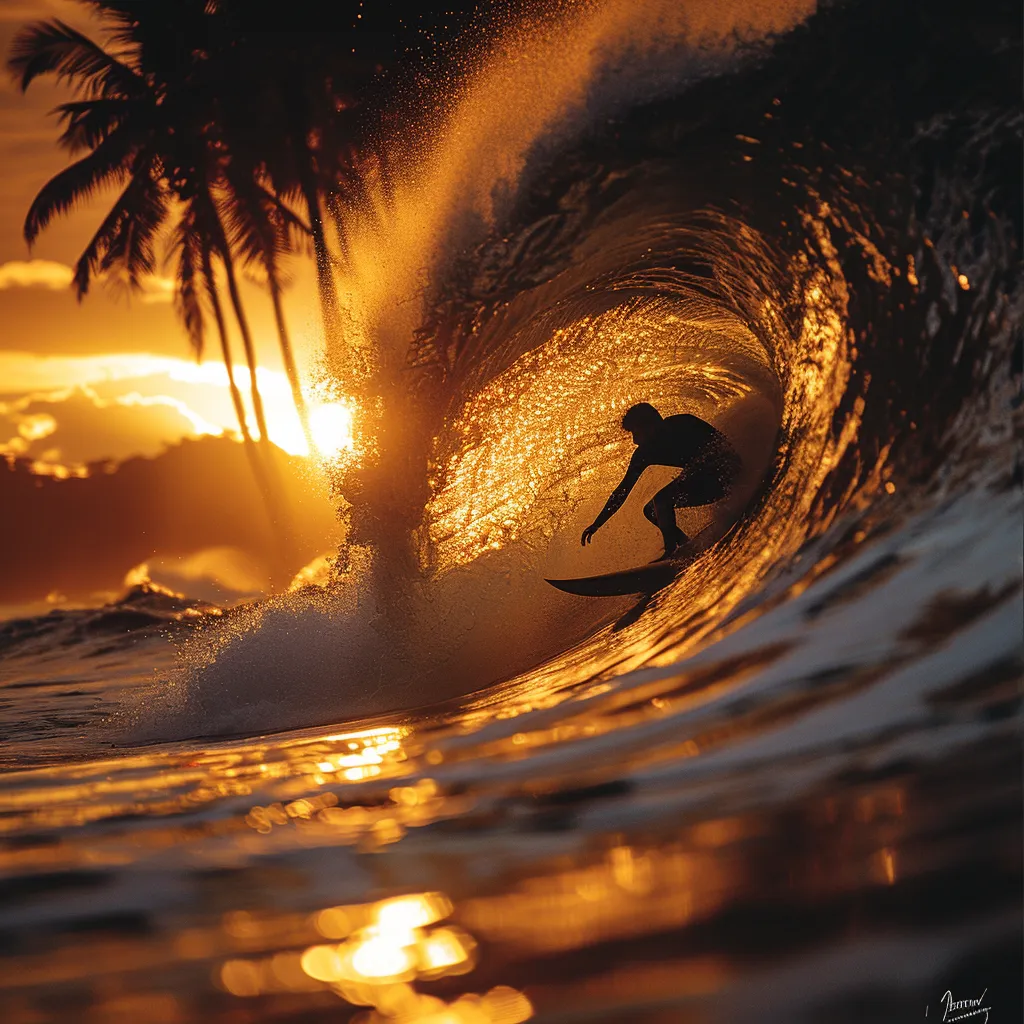
Santa Teresa, Costa Rica sits at the southern tip of the Nicoya Peninsula - a strip of surf beach, dirt road, and jungle that’s become one of the country’s most recognizable destinations for surfers, yoga travelers, and remote workers. If you’re asking where is Santa Teresa Costa Rica on a map, it’s on the Pacific-facing edge of the Nicoya Peninsula in Puntarenas province, roughly 150 km west of San José as the crow flies - though the road and ferry route makes it feel considerably farther. It’s not a secret anymore, and that changes the planning math: prices are higher than most Costa Rican beach towns, the roads are still rough in places, and getting there from either international airport takes a full travel day.
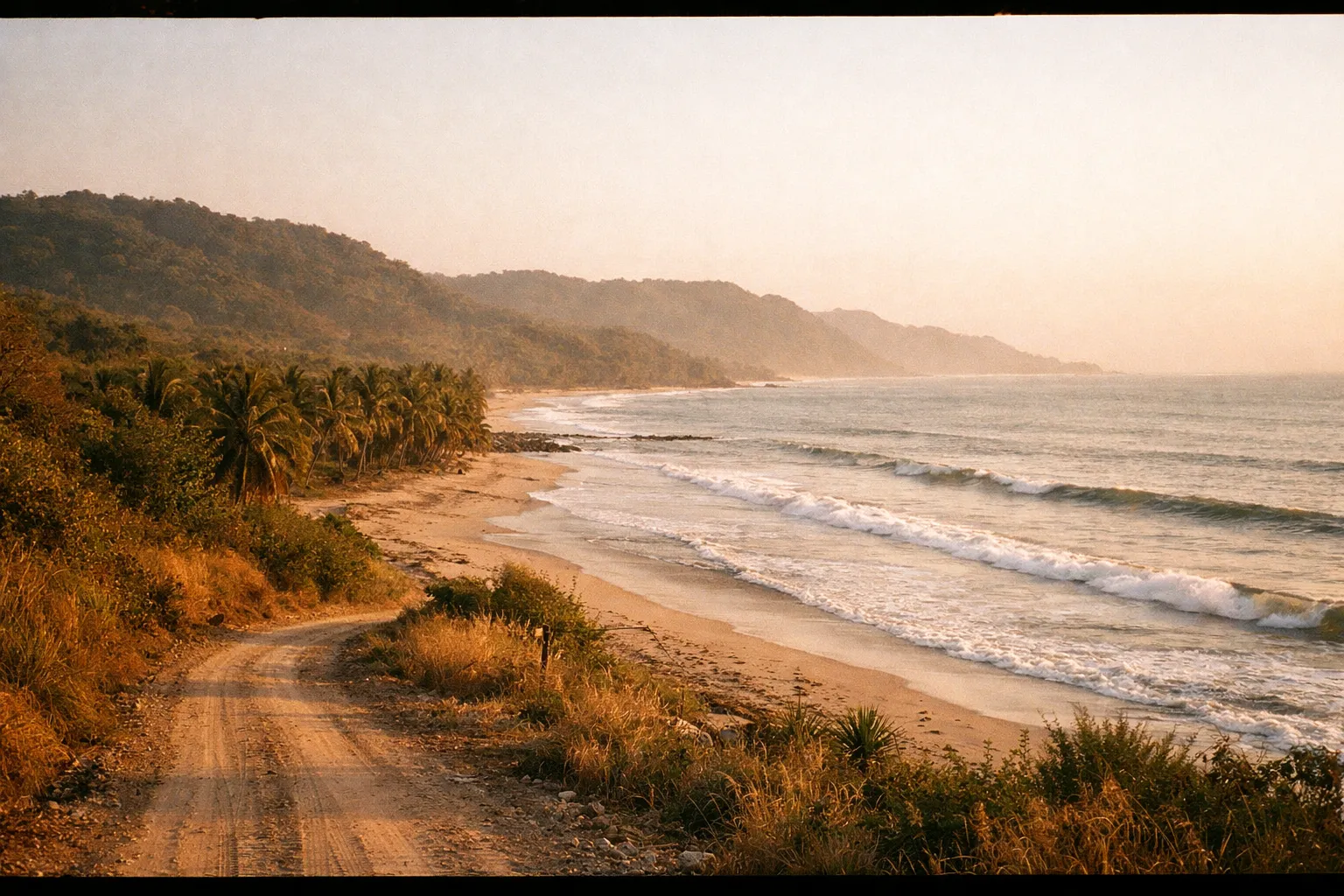
This santa teresa travel guide covers the logistics most articles skim over - exact transfer times from SJO and LIR, ferry timing, when a 4x4 actually matters, what each beach is good for, and where Santa Teresa beach Costa Rica earns your time versus where it doesn’t. For the full costa rica santa teresa picture - costs, crowds, and what the destination actually delivers - read through before you book.
Trip scope at a glance:
- Length: 4-7 nights is the sweet spot. Less than 3 nights and you’ll spend most of it in transit.
- Cost range (per person, per day): USD 70-140 budget, USD 180-350 midrange, USD 500+ luxury.
- Best month: February or March for guaranteed sun and clean surf; May or November for lower prices and fewer crowds.
- What most guides get wrong: Calling it a calm, swimnable beach. Playa Santa Teresa is a surf beach with shore break and real currents. Families hoping to wade in with toddlers should temper expectations before booking.
Santa Teresa offers consistent surf, wellness infrastructure, and a remote-work-friendly vibe, but requires commitment to its travel logistics.
✓ Pros
- Consistent year-round surf with options for all levels
- Strong wellness and yoga scene with quality drop-in classes
- Remote-work-friendly accommodations with reliable Wi-Fi
- Access to Costa Rica's first protected nature reserve nearby
✗ Cons
- Long and complex travel logistics requiring a full travel day
- Higher prices compared to other Costa Rican beach towns
- Not suitable for families seeking calm swimming beaches
- Road conditions often require a 4x4, especially in green season
Where Is Santa Teresa, Costa Rica - and What’s Around It?
Santa Teresa is on the southern tip of the Nicoya Peninsula, in the province of Puntarenas, facing the Pacific. It’s part of a 3-town corridor strung along roughly 8-10 km of coast: Mal País to the south, Playa Carmen in the middle where the main intersection sits, and Santa Teresa stretching north into Playa Hermosa.
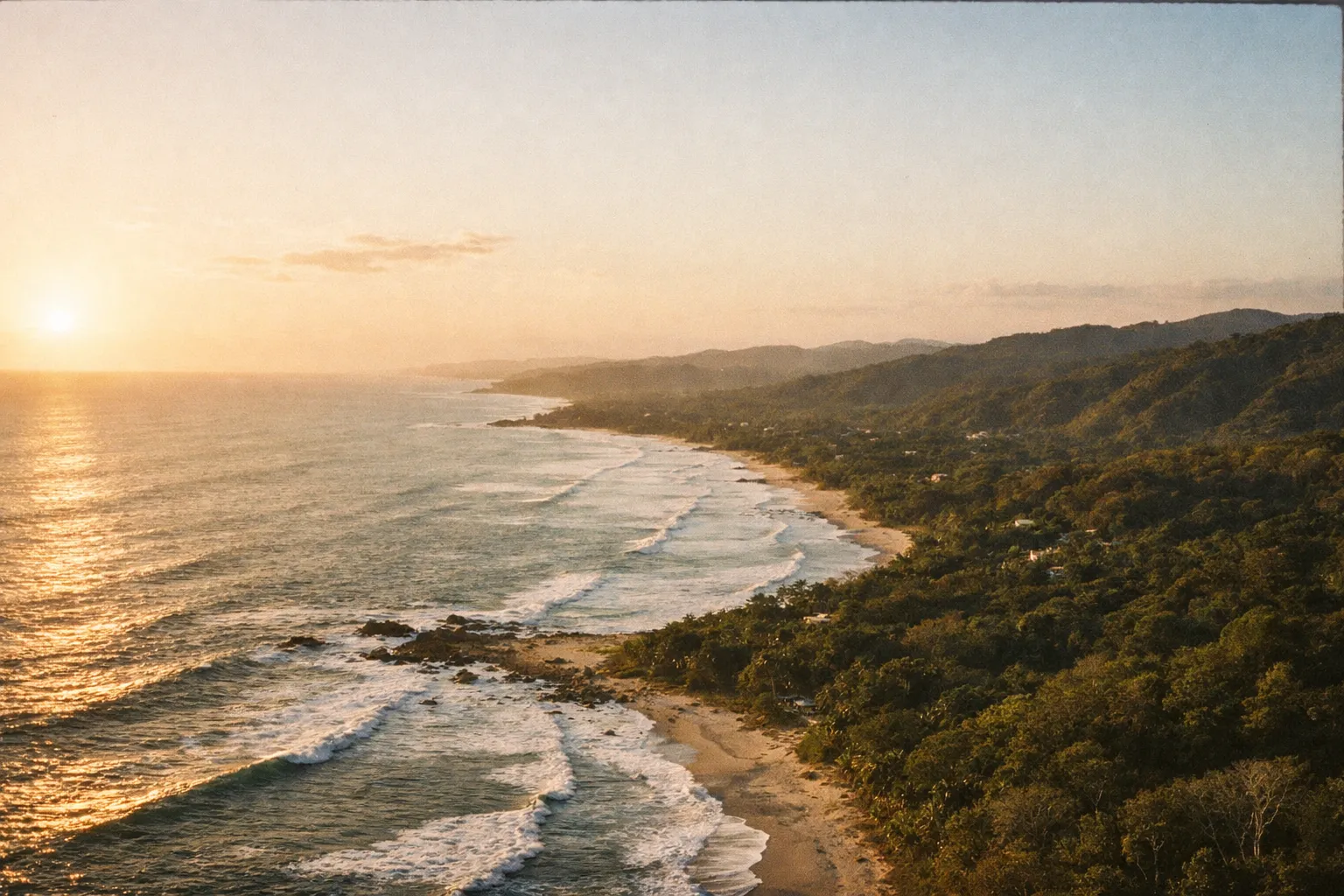
This geography matters more than most guides acknowledge. A property advertised as “Santa Teresa” might actually be a 15-minute ATV ride from the central strip. Before you book, ask the host for the exact road and whether the final approach is paved, gravel, or steep - that one detail decides whether you can use a sedan or need a 4x4.
The corridor faces west, which means reliable Pacific sunsets year-round and a beach that gets afternoon light rather than morning glare. According to lapointcamps.com, the Santa Teresa beach Costa Rica stretch runs nearly 10 km end to end, making it one of the longer continuous surf corridors on the Nicoya Peninsula. (1)(5)
Why Visit Santa Teresa?
Santa Teresa earns its reputation on three durable strengths.
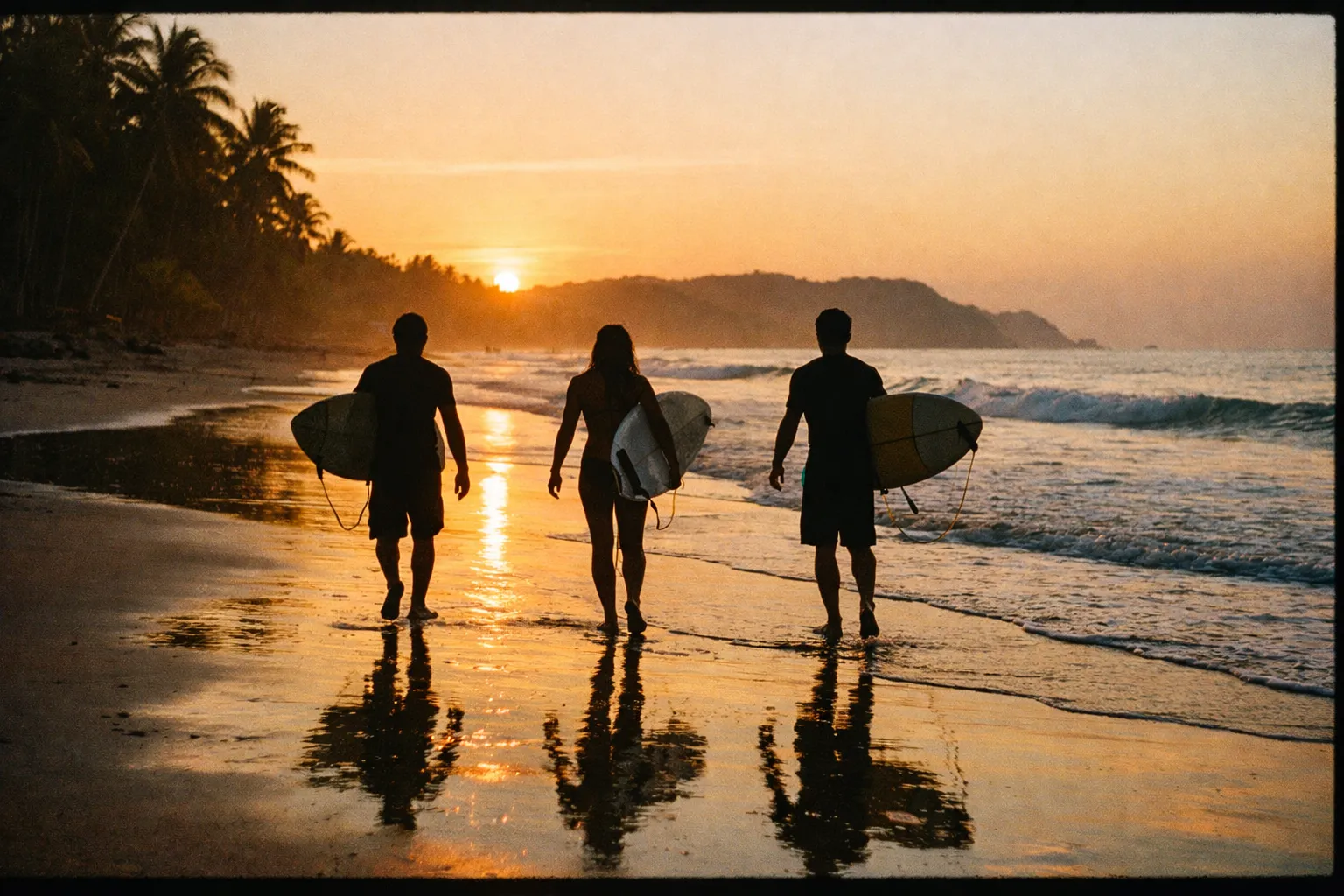
Surf. Consistent year-round swell on a sand-bottom beach break. Beginners get soft whitewater near Playa Carmen; intermediates find faster sections further up Santa Teresa; advanced surfers chase reef setups on bigger swells.
Wellness infrastructure. Yoga studios, plant-based cafes, and multi-day retreats are a real industry here, not an afterthought. Drop-in classes run USD 15-25, and the quality is generally solid.
Remote-work-friendly stays. Reliable private Wi-Fi at most hotels and villas, plus several coworking spots, make month-long stays practical in a way that few beach towns in the region can match.
Add Cabo Blanco Absolute Nature Reserve - Costa Rica’s first protected area, established 1963 - on the doorstep, and you have a base that justifies 4-7 nights easily.
What it isn’t: a calm-water family beach, a budget destination, or a quick weekend from San José.
Getting to Santa Teresa: Airport, Ferry, and Drive Times
This is where most trips go sideways. Santa Teresa is geographically close to San José as the crow flies, but the peninsula geography forces either a ferry or a long inland drive. There’s no shortcut.
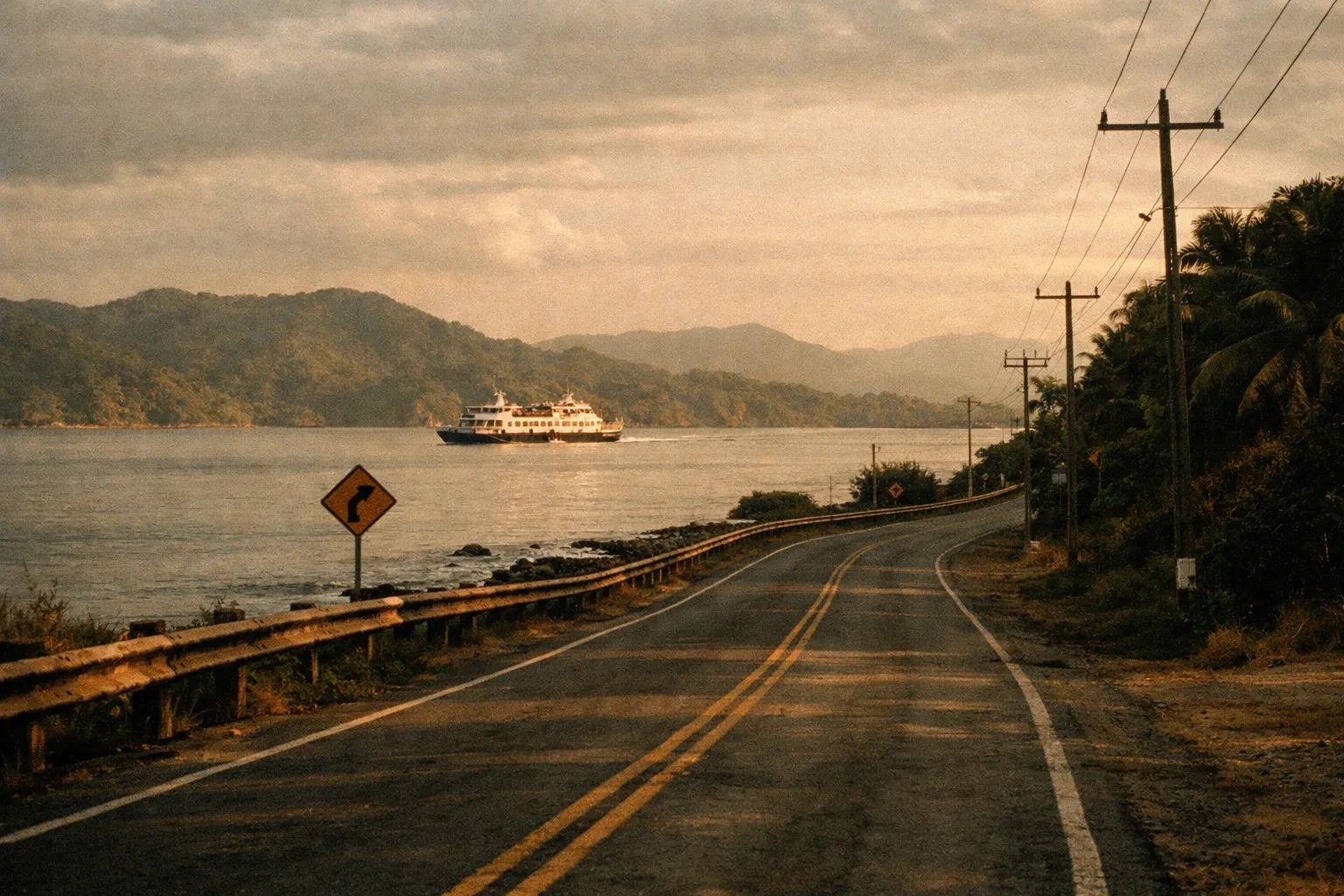
Option 1: Fly to SJO, drive + ferry (most common)
- Land at Juan Santamaría International Airport (SJO).
- Drive roughly 1.5-2 hours west to Puntarenas.
- Take the Naviera Tambor ferry from Puntarenas to Paquera - about 1 hour to 1 hour 30 minutes on the water.
- Drive 1.5-2.5 hours from Paquera through Cóbano to Santa Teresa.
- Total door-to-door: 5-7 hours.
The ferry runs several sailings per day. Arrive 30-60 minutes early if you’re bringing a vehicle - longer on Friday and Sunday peak windows or holiday weekends. Missing a sailing can add 1-2 hours to your day, and it happens more often than people expect.
Option 2: Fly to SJO, take a regional flight to Tambor
Sansa operates flights from SJO to Tambor Airport (TMU), roughly 25-30 minutes in the air. From Tambor, a private transfer to Santa Teresa is about 1 hour. Total: about 3-4 hours including airport time, but with luggage limits (typically 30-40 lb) and weather-dependent reliability.
This is the fastest option if you can afford it and pack light.
Option 3: Fly to Liberia (LIR), drive south
LIR makes sense if you’re combining Santa Teresa with Guanacaste beaches or Rincón de la Vieja. The drive runs through Nicoya and Cóbano, with long gravel sections near the end. Total: 4.5-6 hours. No ferry needed.
Option 4: Shared shuttle
Companies like Interbus, Easy Ride, and Monkey Ride run door-to-door shuttles from SJO, La Fortuna, Monteverde, and Manuel Antonio. Pricing typically lands at USD 50-100 per person. Private transfers run USD 180-350+ depending on origin and group size.
Do you need a 4x4?
The honest answer: not always, but often. In dry season, a compact SUV handles 95% of routes. In the green season - especially September and October - washboard roads, potholes, and steep driveways punish low-clearance sedans. If your lodging is on a hillside or down an unpaved side road, get the SUV. I’ve seen people try to save USD 20/day on the rental and spend an hour trying to reverse out of a rutted driveway in the rain.
Rental cars in Costa Rica run USD 45-90/day for economy and USD 70-150/day for SUVs, with mandatory insurance often adding 30-50% to the headline rate.
Is It Hard to Get to Santa Teresa, Costa Rica?
Hard isn’t the right word - long is. None of the individual legs are difficult: the SJO-Puntarenas highway is paved and well-marked, the ferry is a straightforward boarding process, and the road from Paquera is signed. The friction is cumulative.
Plan for a full travel day on each end. Don’t book activities on your arrival day. Confirm ferry schedules the morning of departure, because sailings shift seasonally and the schedule posted online isn’t always current.
If you’ve done the Costa Rica to Manuel Antonio drive before, Santa Teresa adds the ferry layer but eliminates the highway traffic south of San José. It nets out to roughly the same total time.
What Airport to Fly Into for Santa Teresa, Costa Rica?
Short answer: SJO for most travelers. LIR only if you’re already routing through Guanacaste.
- SJO (San José) has more international routes, more rental car inventory, and connects to the ferry route most directly. Total travel time 5-7 hours by car/ferry, or about 3-4 hours via Sansa to Tambor.
- LIR (Liberia) makes sense if Santa Teresa is part of a multi-stop Guanacaste itinerary, or if your home airport has a direct LIR flight. Total travel time 4.5-6 hours by car. No ferry.
- TMU (Tambor) is the closest airport, but it’s served only by domestic flights from SJO via Sansa.
When to Visit
Costa Rica has two seasons, and the difference is sharper on the Nicoya Peninsula than on the Caribbean side.
Dry season (December-April) - worth the higher prices for first-timers
Reliable sun, low humidity, clean surf. Peak prices and crowds. Christmas, New Year’s, and Easter (Semana Santa) are the most expensive and crowded weeks of the year - book lodging 6-8 weeks ahead minimum, longer for villas and surf camps.
Green season (May-November) - better value, real tradeoffs
May, June, and November typically deliver afternoon showers but plenty of sun overall. September and October are the wettest months, with heavy afternoon rain and occasional road washouts on unpaved access routes. Lower prices - sometimes 30-40% off peak rates - and uncrowded beaches. Surf can actually be better in shoulder months: bigger swells, less wind.
Best months for the value-conscious traveler: late April to early June, and November. You get mostly dry weather, lower prices, and fewer people.
Skip if short on time: September and October, unless you’re committed to the rain and have lodging within walking distance of food and a beach.
Where to Stay in Santa Teresa
The choice that matters most isn’t the property - it’s the neighborhood. Each section of the corridor has a different character, and getting this wrong affects your entire trip.
- Mal País (south end): Quieter, more residential, closer to Cabo Blanco. Good for couples and longer stays.
- Playa Carmen (the central intersection): Walkable to restaurants, surf shops, and the supermarket. The busiest zone.
- Santa Teresa proper (north of Carmen): The main beach strip. Most surf schools and beachfront restaurants are here.
- Playa Hermosa (far north): Quieter beach, smaller selection of restaurants, longer drive to nightlife.
Luxury (USD 300-700+/night)
- Hotel Nantipa - beachfront, adults- and families-welcome, full-service.
- Casa Chameleon Mal País - adults-only villas with private plunge pools, hillside ocean views.
- Pranamar Villas - beachfront yoga-focused property with bungalows.
Midrange (USD 100-250/night)
- Hotel Tropico Latino - beachfront, spa, daily yoga.
- Selina Santa Teresa - coworking-friendly, mix of private rooms and dorms, social atmosphere.
- Florblanca - boutique villas, polished service.
Budget (USD 20-80/night)
- Don Jon’s Surf & Hostel - surf-camp vibe, sociable.
- Cuesta Arriba Hostel - dorm beds and basic privates, walking distance to the beach.
- Zwart Cafe Hostel - quieter, cafe attached.
Practical filter: Ask the host two questions before booking - (1) Is the access road paved or gravel? (2) How far is the nearest restaurant or supermarket on foot? More than 10 minutes by foot at night and you’ll want a vehicle every evening.
Surf in Santa Teresa: Which Beach for Which Level
The corridor has four main surf zones, and they aren’t interchangeable.
- Playa Carmen - beginner-friendly. Soft, slow whitewater near the river mouth. Most surf schools run lessons here. 2-hour lesson: USD 50-80, including board.
- Playa Santa Teresa - intermediate. Faster, punchier waves with more shape. Crowded near the access points.
- Playa Hermosa (north) - intermediate to advanced. Longer rides, fewer surfers, but a longer paddle and stronger currents.
- Mal País - advanced. Rockier bottom, more powerful, less forgiving.
Soft-top longboard rentals run USD 15-25/day, and they’re worth the small premium over shortboards for anyone below intermediate level.
If you’re a complete beginner, book a 2-lesson package on consecutive days. One lesson barely gets you standing - the learning curve is steep enough that the second session is where it actually starts to click.
Things to Do in Santa Teresa (Ranked by Worth the Detour)
Worth the detour
- Surf lesson or board rental - the whole reason most people come, and it delivers.
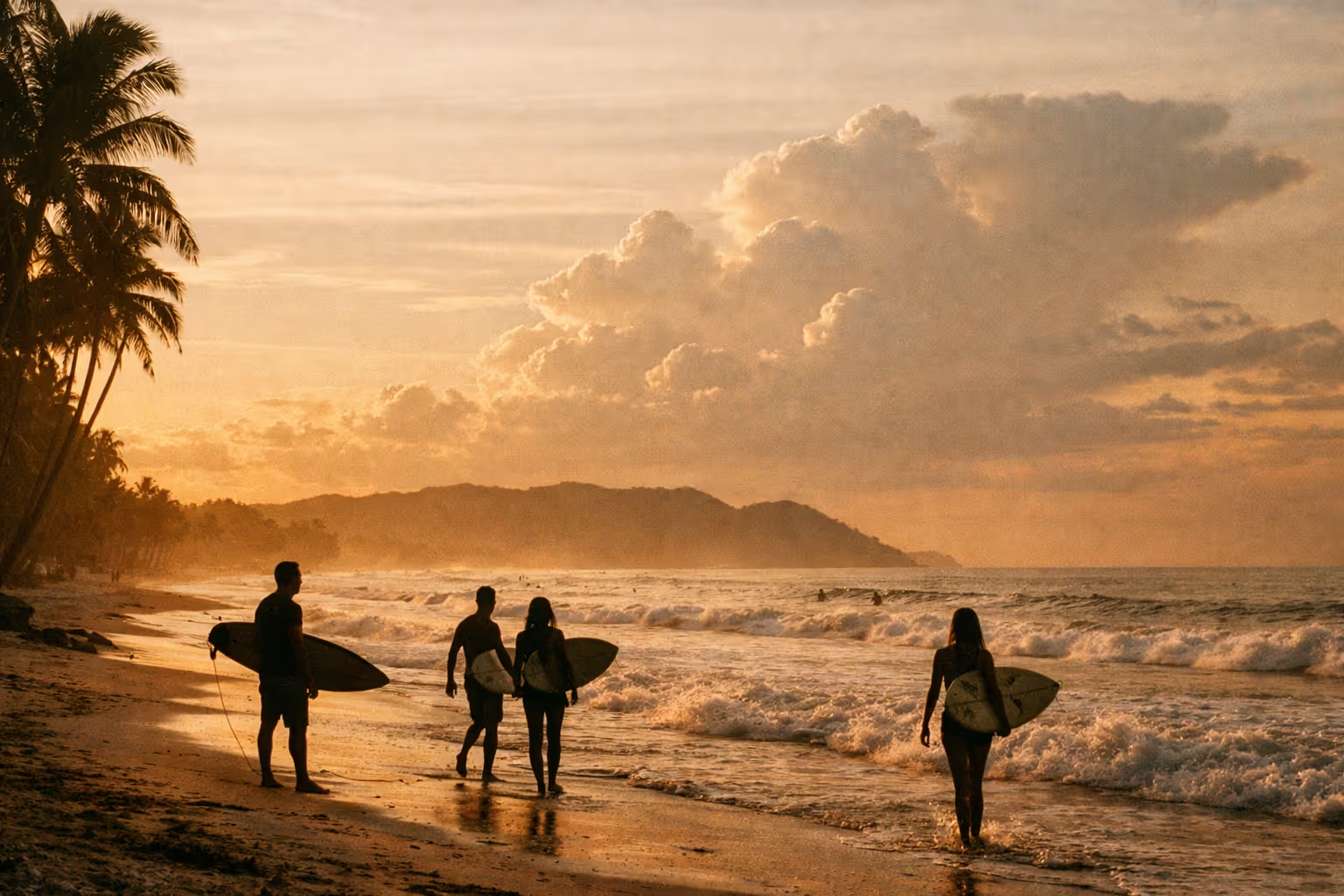
- Sunset on Playa Santa Teresa - west-facing Pacific, reliable year-round. Peak window is 60-90 minutes before sundown.
- Cabo Blanco Absolute Nature Reserve - Costa Rica’s oldest protected area (established 1963). Verify entry hours with SINAC before you go, start early, and plan to be on the trail before 9 a.m. for the best wildlife activity.
- Montezuma Waterfalls - about 45 minutes east. Triple-tiered cascade with swimming holes. Skip the cliff jumping unless you’ve watched local kids do it first and know what you’re looking at.
- Yoga class at Pranamar or Casa Zen - USD 15-25 drop-in. Both are well-run and worth it even if yoga isn’t your primary reason for being here.
Worth it if you have time
- ATV rental for half a day - explore the dirt roads north of Playa Hermosa toward Manzanillo. USD 70-120/day.
- Horseback ride on the beach - best at low tide, late afternoon.
- Day trip to Tortuga Island - snorkeling and calm water, about 2 hours by boat. Useful if Playa Santa Teresa’s shore break is wearing you out.
Skip if short on time
- Canopy zip-lines - better elsewhere in Costa Rica. Monteverde and La Fortuna do this much better.
- Sport fishing charters - fine, but not what Santa Teresa is known for.
Where to Eat in Santa Teresa
The food scene punches above the town’s size, partly because of the international community that’s settled here. Expect higher prices than elsewhere in Costa Rica - beachfront restaurants commonly run USD 25-45 per person before drinks, while sodas (local lunch counters) come in at USD 8-15.
Worth a reservation:
- Koji’s - sushi, the most consistently recommended high-end spot. Book 1-2 weeks ahead in peak season.
- Product C - fresh seafood, casual setting, well-priced for what it is.
- Caracolas - beachfront sunset dinners.
Solid casual:
- The Bakery - breakfast pastries, smoothies, decent coffee.
- Zwart Cafe - brunch, plant-based options, slow service.
- Katana - Asian fusion, reliable.
- Drift Bar - cocktails, good for one drink at sunset.
Save money:
- Soda Tiquicia and any other soda along the main road - casados (rice, beans, protein, salad) for USD 8-12.
- Eat Street in Playa Carmen - food containers with everything from acai bowls to tacos.
- Bring cash for sodas and small vendors. Cards work at midrange and upscale spots; plenty of small operators still prefer cash.
How Much Does Santa Teresa Cost?
The honest range, per person per day, excluding flights and rental car:
| Travel style | Daily budget | What it includes |
|---|---|---|
| Backpacker | USD 70-140 | Hostel dorm, sodas, occasional surf rental, walking |
| Midrange | USD 180-350 | Boutique hotel with breakfast, 1 surf class, mix of casual + beachfront meals |
| Luxury | USD 500-1,000+ | Villa or premium hotel, private chef or upscale dining, spa/wellness add-ons |
For a 5-night trip, a midrange couple should plan for roughly USD 2,000-3,500 total before flights, including rental car and ferry - a figure consistent with cost breakdowns published by shebuystravel.com and ultimatepuravida.com for the costa rica santa teresa corridor. (1)(2) Add USD 500-800/night for villa-tier stays in peak weeks.
Santa Teresa is materially more expensive than Manuel Antonio, Tamarindo, or Puerto Viejo - budget roughly 40-60% more per day than you’d spend in Puerto Viejo, and 20-30% more than Tamarindo. That’s not a complaint - it’s a planning input.
Is Santa Teresa Worth It in Costa Rica?
For surfers, yoga travelers, and remote workers comfortable with a 5-7 hour transit on each end: yes. The combination of consistent surf, wellness infrastructure, and beach-town atmosphere is hard to match elsewhere in Costa Rica.
For first-time visitors with one week who want a sampler - volcano, cloud forest, and beach - Santa Teresa is hard to justify. You’ll lose two days to transit. Manuel Antonio or a Guanacaste beach near LIR gives you more time on the ground.
For families with small kids who want calm swimming water, Santa Teresa is a stretch. The beach has strong shore break on most days. If you’re set on the area, pick a property with a pool and treat the beach as scenery and surf lessons for older kids.
What to Stay Away From in Santa Teresa
The country is generally safe - petty theft, not violent crime, is the main risk for tourists. A few specifics worth knowing:
- Don’t leave valuables visible in a parked car, especially at trailheads, beaches, and lookouts. Car break-ins are the most common tourist crime in Costa Rica.
- Don’t swim where surfers are surfing. Rip currents are real on Pacific beaches. If you don’t see locals swimming, there’s a reason.
- Avoid walking the main Santa Teresa road at night. It’s narrow, unlit in stretches, and shared with ATVs and cars. Take a taxi or drive.
- Don’t book a sedan for September-October travel. The rainy-season road conditions outweigh whatever you save on the rental.
- Skip the unlicensed taxis at SJO. Use official red taxis with a yellow triangle, Uber, or a pre-booked shuttle.
- Don’t engage with drug offers on the beach. Possession is a legal risk and the quality is unreliable.
The U.S. State Department currently rates Costa Rica at Level 2 (“exercise increased caution”), primarily due to crime in specific urban zones. Santa Teresa is not among the flagged areas.
Practical Tips Before You Go
- Cash: Bring USD or withdraw colones at an ATM in Cóbano or Paquera before reaching Santa Teresa. ATMs in Santa Teresa exist but run dry on weekends.
- SIM card: Kolbi or Claro prepaid SIMs work well across the peninsula. Buy at SJO airport.
- Power: Outages happen, especially in green season. Lodgings with generators advertise it - worth asking.
- Bug spray: Pack DEET-based repellent for evenings and any jungle hikes.
- Reef-safe sunscreen: Costa Rica has been moving toward stricter rules on sunscreen near protected areas. Buy mineral-based before arrival; selection on the ground is limited.
- Spanish: Helpful but not required. Most tourist-facing staff speak English.
- Driving at night: Avoid it on the peninsula. Cattle, potholes, and unlit stretches make it slower and riskier than daytime.
Sample 5-Night Itinerary
Total cost estimate (midrange couple, flights excluded): USD 2,200-3,200 including rental SUV, ferry, lodging, food, and one surf lesson each.
Sample 5-Night Itinerary in Santa Teresa
5 daysA practical day-by-day plan for a midrange couple to maximize time and experience.
- 1
Day 1: Arrival and Transfer
Fly into SJO. Pick up rental SUV. Drive to Puntarenas, take the ferry to Paquera, drive to Santa Teresa. Dinner near your lodging - don't try to do more on arrival day.
- 2
Day 2: Surf and Beach
Morning surf lesson at Playa Carmen. Lunch at a soda. Afternoon at the beach. Sunset at Playa Santa Teresa.
- 3
Day 3: Nature and Wellness
Early start to Cabo Blanco Nature Reserve. Pack water and snacks. Back by mid-afternoon. Yoga class. Dinner at Koji's or Product C (book ahead).
- 4
Day 4: Exploration
ATV rental for the morning, explore north to Playa Hermosa and Manzanillo. Afternoon free. Casual dinner at Eat Street.
- 5
Day 5: Waterfalls and Surf
Day trip to Montezuma Waterfalls. Second surf session in the afternoon. Sunset dinner at Caracolas.
- 6
Day 6: Departure
Early departure. Aim for a mid-morning ferry to give yourself buffer for the SJO return.
Frequently Asked Questions
- Can I rely on the ferry schedule when planning my arrival or departure?
- Ferry schedules can shift seasonally and are sometimes delayed. Always confirm the sailing times the morning of your travel and arrive early, especially if traveling with a vehicle.
- Is it possible to do Santa Teresa as a quick weekend trip from San José?
- No. The travel time involves multiple legs totaling 5-7 hours each way, making a weekend trip inefficient and stressful.
- What are the luggage restrictions on the flight from SJO to Tambor?
- Regional flights to Tambor typically limit luggage to 30-40 pounds per passenger, so pack light if choosing this option.
- Are there any safety concerns unique to Santa Teresa compared to other Costa Rican destinations?
- The main risks are petty theft like car break-ins and road safety at night. Avoid leaving valuables in cars, walking unlit roads after dark, and unlicensed taxis.
- How reliable is the internet for remote work in Santa Teresa?
- Most hotels and villas offer reliable private Wi-Fi, and there are coworking spaces available, making it practical for month-long stays.
- What is the best way to get cash while in Santa Teresa?
- ATMs in Santa Teresa can run dry on weekends. It's best to withdraw colones or USD at ATMs in Cóbano or Paquera before arriving.
- Is it necessary to rent a 4x4 vehicle year-round?
- A 4x4 is strongly recommended during the green season (May-November), especially in September and October, or if your lodging is on unpaved or steep roads.