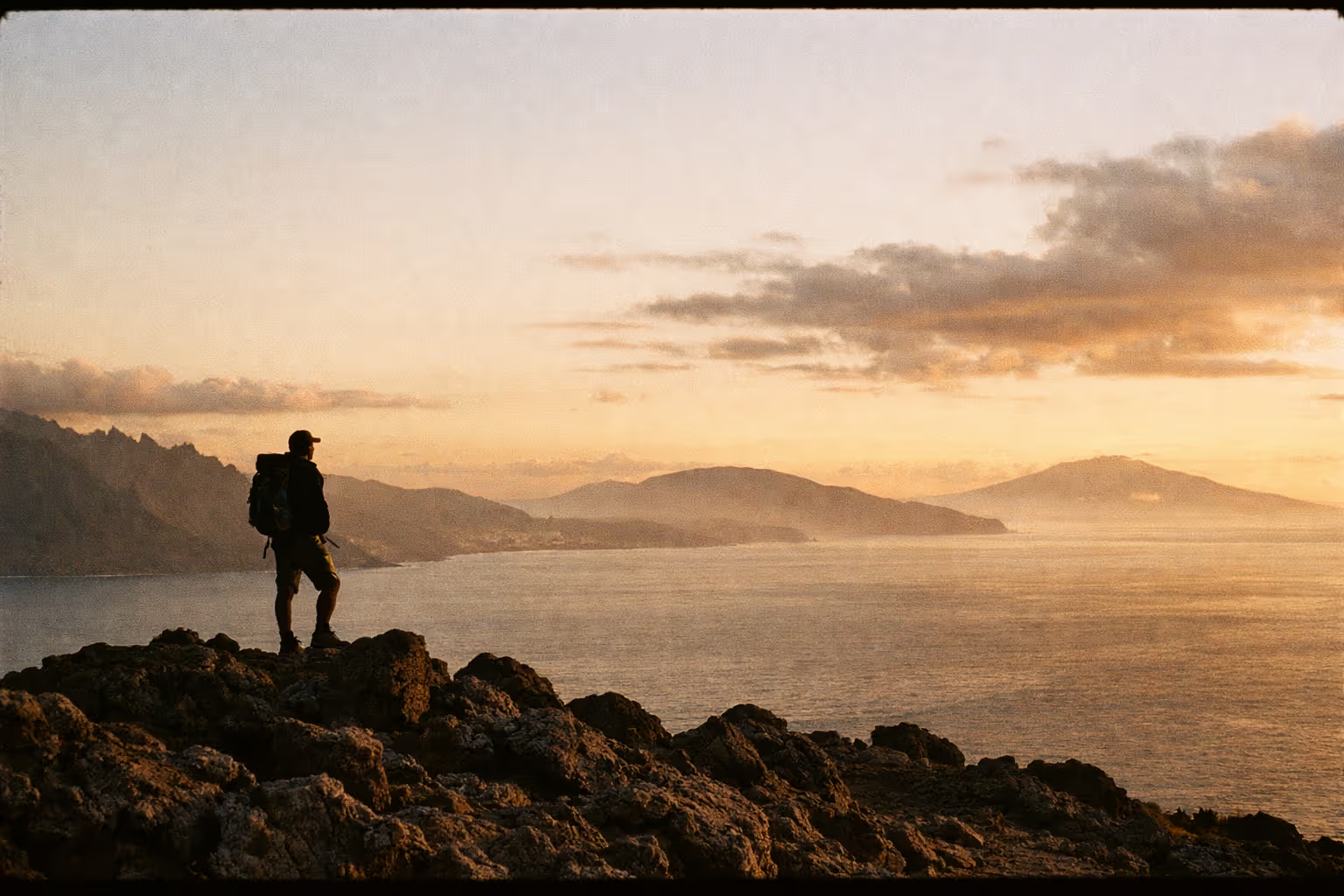
Is Hawaii good for solo travelers?
Yes - with caveats. Hawaii is one of the safest US states, with violent crime rates around 3.0 per 1,000 residents versus the 4.0 national average (FBI Crime Data 2023). The most common issues solo travelers actually face are car break-ins at trailheads and beach parking lots, not personal safety.
Hawaii is one of the better solo destinations in the US if you plan honestly. Safety is high, outdoor infrastructure is real, and the social scene exists on Oʻahu. The cost penalty for solos is significant - no room-splitting - and driving is mandatory on three of the four main islands. Plan permits early and budget above the Tourism Authority's average.
✓ Pros
- Domestic travel - no passport required for US citizens
- Marked trails, NPS rangers, and established tour operators make solo adventure accessible
- Oʻahu is fully car-free viable with TheBus and walkable hostels
- Strong social infrastructure: hostels, dive shops, group surf lessons, small-group tours
- Low violent crime rate - around 3.0 per 1,000 vs 4.0 national average
- Shoulder seasons (April-June, September-October) run 15-30% cheaper with reliable weather
✗ Cons
- One of the most expensive US states for visitors - solos can't split lodging costs
- Rental car is mandatory on Big Island, Kauaʻi, and Maui
- Key permits (Haleakalā sunrise, Hāʻena State Park) sell out weeks in advance
- Ocean risk is real - Hawaii records 60-80 drownings per year, visitors overrepresented
- Grocery prices run 30-70% above mainland; food costs add up fast
- Car break-ins at trailheads are the most common practical hazard
The case for going alone:
- Logistics are easy. Domestic travel for US citizens requires no passport - just a TSA-approved ID (REAL ID enforcement begins May 7, 2025). Everyone speaks English. Cards are accepted almost everywhere.
- Outdoor infrastructure is real. Marked trails, established tour operators, NPS sites with rangers. You can do serious adventure without an organized expedition.
- The social scene exists if you want it. Waikīkī hostels, Kona dive shops, group surf lessons, and small-group adventure tours all attract other solo travelers in the 25-50 range.
The case against:
- Cost. Hawaii is one of the most expensive US states for visitors. The Hawaii Tourism Authority reported average visitor spending of about $229 per person per day in 2023, and solos can’t split a $250 hotel room with anyone.
- Driving is mostly required. Outside Waikīkī, public transit won’t get you to the trails and beaches that justify the flight.
- Ocean risk is real. Hawaii records 60-80 ocean drownings per year, with visitors heavily overrepresented. Solo swimmers in unfamiliar surf are the textbook profile.
If you’re comfortable driving an unfamiliar rental, willing to budget honestly, and respectful of ocean conditions you don’t know - yes, Hawaii is one of the better solo destinations in the US.
When is the best time to visit the islands?
Shoulder seasons - April to early June and September to mid-October - are the sweet spot. Accommodation rates run 15-30% lower than peak, trails are quieter, and weather is reliable. Hurricane risk exists in late summer but actual landfalls are rare.
Specific timing by goal:
- Humpback whales: January through March. Maui’s Au’au Channel is the densest viewing area.
- Big winter surf (spectator only unless you’re an expert): November through February on Oʻahu’s North Shore and Maui’s Honolua Bay.
- Calm snorkeling and beginner ocean conditions: June through August on north shores; year-round on south and west shores.
- Volcano activity: Kīlauea has been intermittently active through 2024-2025. Check the USGS Hawaiian Volcano Observatory site before booking - current eruption phases dramatically affect what you can see at Hawaiʻi Volcanoes National Park.
Avoid late December through the first week of January (peak rates, booked-out tours), US spring break weeks in March, and Japan’s Golden Week (late April/early May, which affects Oʻahu most).

Solo travel to Hawaii: which island should you pick?
This is the question that determines whether your trip works. Each island serves a different solo profile.
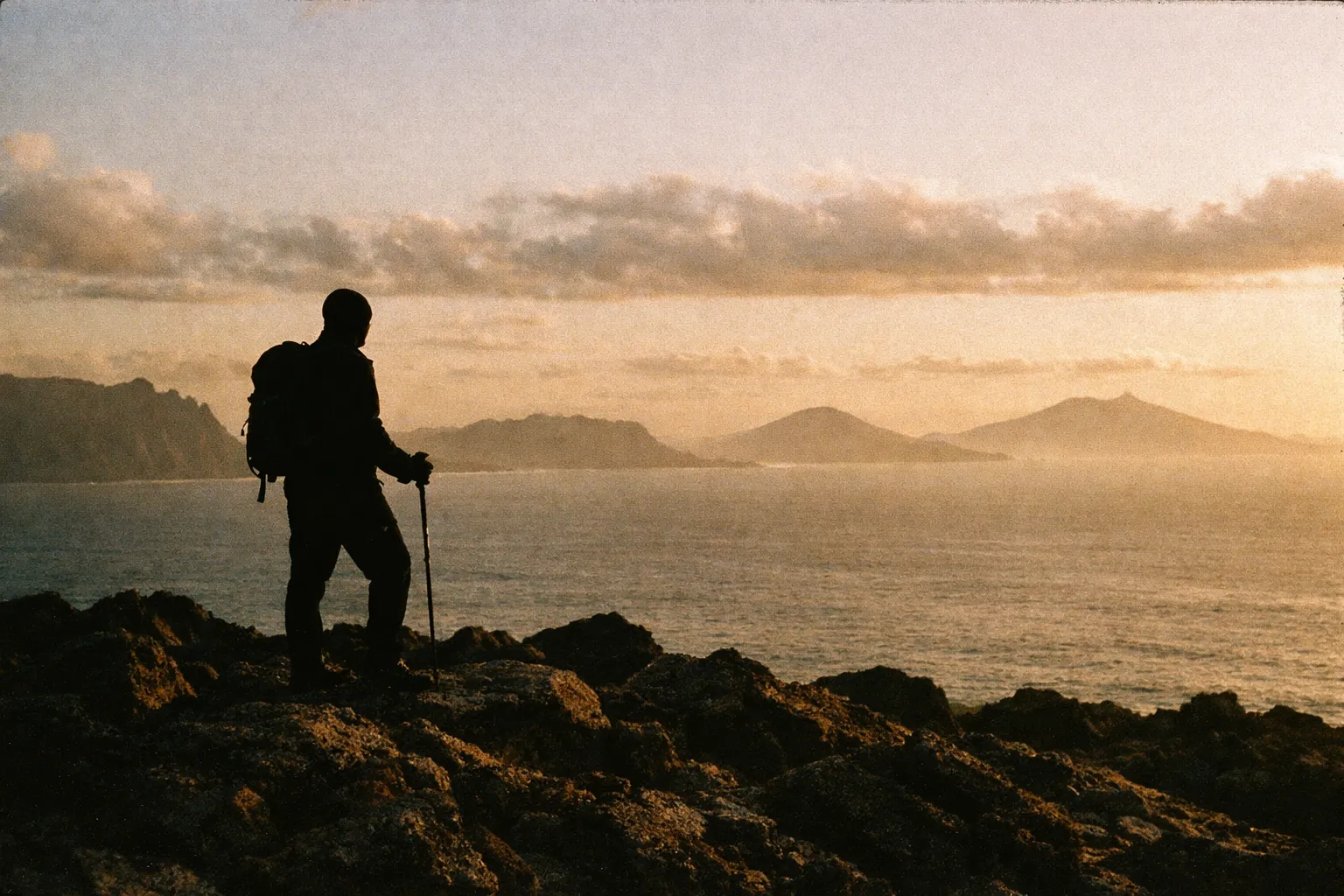
Oʻahu - best for first-time solos and social travel
If it’s your first solo trip or you want to meet people, start here. Waikīkī has five-plus hostels within a one-mile radius (dorms from about $45/night), TheBus runs island-wide for $3 per ride - and if you use a HOLO card, fare-capping kicks in at $7.50/day automatically, though there is no separate paper daily pass - and group surf lessons at Waikīkī Beach run $75-$120. You can do Hawaii car-free here - no other island lets you do that comfortably.
Worth the detour: Diamond Head sunrise, Lanikai Beach, the Ka’ena Point hike, and the North Shore in winter.
Big Island - best for untamed landscapes
Forty percent of the state’s landmass, only about 12-15% of its visitors. Hawaiʻi Volcanoes National Park ($30 per vehicle, valid 7 days), Mauna Kea stargazing at 13,800 feet, black-sand and green-sand beaches, and the Kohala coast snorkeling all live here. Base in Kona for social scene and tour pickups; Hilo for cheaper rates and easier Volcanoes access. Rental car is essential - there’s no realistic alternative.
Kauaʻi - best for remote cliffs and canyons
Nā Pali Coast, Waimea Canyon, the Kalalau Trail. Hāʻena State Park access requires advance reservation through the shuttle/permit system ($40-$50 per non-resident); Kalalau overnight permits run about $35/night through DLNR. Few hostels - expect $180-$280/night for simple hotels. Kapaʻa is the best central base, putting both the North Shore and Waimea within 45-60 minutes.
Maui - best for road-trip solos, with caveats
Haleakalā sunrise (reservation required, $1 booking fee plus the $30 park entry), the Road to Hana, Iao Valley. Following the August 2023 Lahaina wildfires, most West Maui resorts in Kā’anapali, Nāpili, and Kapalua have reopened, but Lahaina town itself is largely closed and under reconstruction. Visitors are asked to avoid disaster zones and support reopened local businesses respectfully. Check Maui County updates before booking West Maui specifically.
Quick picker:
- Car-free, social, first timer → Oʻahu
- Volcanoes, stargazing, biggest wilderness → Big Island
- Sea cliffs, canyon hikes, fewer people → Kauaʻi
- Sunrise crater, scenic drives, beach mix → Maui
How do you get around the Hawaiian islands?
Flights to Hawaii
Round-trip economy benchmarks from the mainland, booked roughly 60 days out:
- West Coast (LAX/SFO/SEA → HNL): $350-$650
- Midwest (ORD/DEN → HNL): $550-$900
- East Coast (JFK/BOS/ATL → HNL): $650-$1,100
Honolulu (HNL) on Oʻahu is the main hub. Direct flights also reach Kahului (OGG, Maui), Kona (KOA, Big Island), Lihue (LIH, Kauaʻi), and Hilo (ITO, Big Island) from many West Coast cities.
Inter-island flights
Hawaiian Airlines and Southwest dominate. Fares typically run $39-$120 one-way, with checked-bag fees around $30 per bag if not covered by status or credit card. Book direct - third-party sites rarely beat the carriers’ own pricing on these short hops. Build buffer time: a delayed inter-island flight can wreck a tight same-day activity plan.
Rental cars
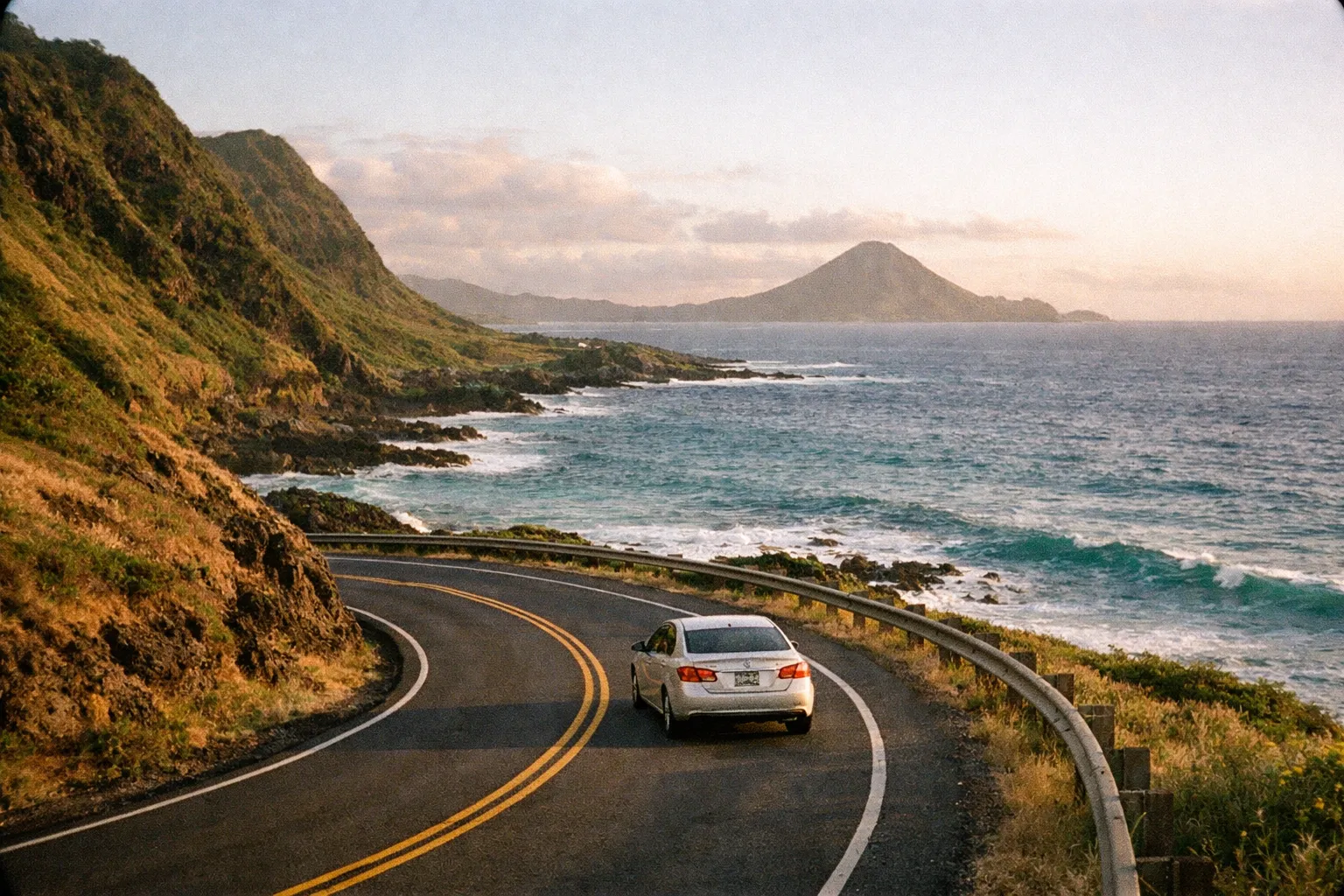
Almost mandatory on Big Island, Kauaʻi, and Maui. Expect $50-$90/day base plus roughly 17-18% in taxes and fees. Gas in 2025 averages $4.50-$5.50 per gallon. Book early - supply is tight on Kauaʻi and the Big Island during peak windows.
Costco Travel, Discount Hawaii Car Rental, and Turo are usually cheaper than airport counters. Skip the rental insurance if your credit card covers it, but verify before you decline.
Public transit and rideshare
TheBus on Oʻahu is the only serious public transit system in Hawaii. Uber and Lyft work in Waikīkī, Kona, Kahului, and Lihue but get expensive and unreliable for trailhead drop-offs. Plan $10-$25 for typical intra-town rides.
How much does solo travel to Hawaii actually cost?
The Hawaii Tourism Authority’s $229/day average masks huge variation. Traveling to Hawaii solo means you can’t split lodging, which is the single biggest line item, so realistic budgets run higher than couple-per-person figures.

Daily budget tiers (solo)
Solo Travel Daily Budget Tiers in Hawaii
| Hostels & Bus Budget | Budget Hotel + Car Mid-range | Boutique Hotel + Guided Premium Adventure | |
|---|---|---|---|
| Daily Cost (USD) | $120-$170 | $220-$350 | $400-$650+ |
| What It Covers | Bed $40-$70, food $40-$60, transit $5-$40, activities $20-$50 | Room $150-$250, food $60-$90, activities $50-$150 | Room $300-$450, guided activities $150-$300/day |
Is $1,000 enough for a week in Hawaii?
Short answer: only if you have flights already covered, sleep in hostels, cook most of your meals, and stay on Oʻahu where you don’t need a car.
A week on $1,000 (excluding flights), budget version:
- 6 nights in a Waikīkī hostel dorm: $270-$420
- Food (mostly groceries, food trucks, poke bowls): $250-$350
- TheBus weekly pass and occasional rideshare: $50-$80
- Activities (free hikes, beach days, one $80 surf lesson, Diamond Head entry $5): $100-$150
That works on Oʻahu. The same budget collapses on Kauaʻi, the Big Island, or Maui, where rental cars and higher accommodation rates push baseline daily costs to $150+ before any activities.
A more realistic solo budget for a week including inter-island travel: $1,800-$2,500 excluding flights at the budget-to-mid tier.
Where solos overspend
- Groceries. Mainland prices plus 30-70%. A gallon of milk runs $7-$10, a basic entrée at a sit-down restaurant $20-$30. Cook breakfast and pack lunches.
- Parking. Waikīkī hotel parking is often $40-$60/night. Stay somewhere with free parking or skip the car on Oʻahu entirely.
- Helicopter tours. $350-$400 for 45-60 minutes. Worth it for Nā Pali or Volcanoes if it’s a priority - but it’s a single line item that can blow a daily budget.
- Booze. A beer at a beach bar is $9-$12. A cocktail is $16-$22.
Where solos save
Hawaiʻi Volcanoes NP at $30 per vehicle is valid 7 days - pace your visits. Many state beaches and lookouts (Pololū Valley, Waipio Valley, most of Waimea Canyon’s main viewpoints) are free. Poke bowls and plate lunches at $10-$15 are excellent and everywhere.
Where to go in Hawaii as a solo traveler
Ranked by worth-the-detour, not equal weight.
Worth structuring a trip around:
- Hawaiʻi Volcanoes National Park (Big Island). Crater Rim Drive, Thurston Lava Tube, the Chain of Craters Road. If Kīlauea is actively erupting, do the night viewing at the caldera - there’s nothing comparable in the continental US. I was at the park in late 2024 when the caldera was glowing after dark; the drive out on Chain of Craters Road at 9 pm with no one else around is hard to top.
- Nā Pali Coast (Kauaʻi). See it from a Zodiac boat tour ($150-$220), a helicopter ($300-$400), or the first two miles of the Kalalau Trail (permit required beyond mile 2).
- Haleakalā sunrise (Maui). Book the reservation 60 days out. Layer up - it’s 35-40°F at 10,000 feet before dawn.
- Mauna Kea stargazing (Big Island). Sunset at the visitor center (9,200 ft) is the accessible version; summit access at 13,800 ft requires 4WD and acclimatization.
Worth doing if you’re nearby:
- Punaluʻu Black Sand Beach (Big Island) - green sea turtles often haul out here.
- Waimea Canyon and Koke’e State Park (Kauaʻi) - multiple lookout points, the Pihea and Alaka’i Swamp trails for serious hikers.
- Lanikai Beach and the Lanikai Pillbox hike (Oʻahu) - best in the early morning before crowds.
- Road to Hana (Maui) - better as a one-way drive with an overnight in Hana than a round-trip slog.
Skip if short on time:
- The Dole Plantation (Oʻahu) - tourist trap, full stop.
- Most luau shows at large resorts - overpriced; seek out community-organized cultural events instead.
How to meet other travelers when going alone
The solo-but-not-alone formula works in Hawaii because the activity infrastructure is built for groups.
Hostels are the easiest entry point on Oʻahu. Waikīkī Beachside Hostel, Polynesian Hostel Beach Club, and similar properties run mixed and female dorms with common areas. Kona has a few options; Hilo and Kauaʻi have very few.
Group adventure tours are worth considering if you want a built-in social structure. Operators like Flash Pack run small-group Hawaii itineraries (max 12 guests, mostly 30-50-year-old solo travelers); the Big Island 6-day trip typically prices $2,800-$3,800 excluding flights (1). G Adventures and Intrepid run similar formats. Daily costs land at $250-$500 including most lodging and activities.
Day tours - snorkel boats, surf lessons, food tours, stargazing trips - all draw solo travelers. The 4-8 hour duration is long enough to actually talk to people.
Dive shops in Kona run two-tank boat dives ($150-$200) that regularly bring together repeat visitors and locals. I’ve found dive boats to be one of the better places to meet people who actually know the island.
Free cultural programs. Many shopping centers and resorts run free or low-cost hula lessons, lei-making, and ʻukulele workshops ($0-$20). Open to non-guests.
Solo safety: the things that actually matter
Hawaii’s overall risk profile for solo travelers is low. The risks that exist are specific and predictable.
Ocean. Don’t enter water you can’t read. Check the daily surf report (Surfline, NOAA), ask lifeguards directly about conditions at that beach that day, and treat any “no swimming” sign as non-negotiable. Winter North Shore swells regularly exceed 20-30 feet. If a beach has no lifeguard and no other swimmers, don’t be the first one in.
Trails. Tell your accommodation or a friend your route and return time. Download offline maps (AllTrails+ is $35.99/year and includes downloadable trail maps). Carry a headlamp, 2-3 liters of water, and a rain jacket on any trail longer than 90 minutes - Kauaʻi weather flips fast. Flash floods in slot canyons kill people every year; never enter a streambed if rain is in the forecast.
Car break-ins. Leave nothing visible. Better: leave nothing in the car at all. Trailhead parking at Diamond Head, the Pali Lookout, several Big Island beaches, and Kauaʻi’s North Shore lots are repeat-offender locations.
Night safety. Waikīkī and Kailua-Kona main streets are fine after dark. Beach paths after 10 pm aren’t. Use rideshare for late returns ($8-$25 typical).
Cultural respect. Don’t trespass on heiau (sacred sites). Don’t take lava rocks home. Don’t fly drones in national parks - it’s federally prohibited. Treat the place like someone’s home, because it is.
Permits, reservations, and booking windows
The “show up and figure it out” model doesn’t work for several of Hawaii’s best experiences. Book these before you finalize your flights:
- Haleakalā sunrise - reservation opens 60 days out, plus a limited 2-day rolling release. Weekends sell out within hours. $1 booking fee plus $30 park entry.
- Hāʻena State Park / Nā Pali Coast access (Kauaʻi) - timed entry and shuttle reservations through gohaena.com. Book 30 days out.
- Kalalau Trail overnight permits - through DLNR, approximately $35/night; releases vary. Book the moment your dates lock.
- Diamond Head (Oʻahu) - out-of-state visitors need an entry reservation, $5/person.
- Hanauma Bay (Oʻahu) - reservation required, releases 48 hours in advance at 7 am Hawaii time, sells out in minutes.
- Manta ray night snorkel (Big Island) - book 2-8 weeks out for prime evening slots.
- Pearl Harbor USS Arizona Memorial - free timed-entry tickets through Recreation.gov.
What most guides get wrong about solo travel to Hawaii
Most guides treat Hawaii as one destination with a single budget and a single experience. It isn’t. Travelling to hawaii alone on Oʻahu and travelling to hawaii alone on Kauaʻi are functionally different trips - different cost floors, different transport requirements, different social scenes. The $229/day average gets cited constantly, but it’s a blended figure built on couples and families splitting rooms. Solo travelers should budget 40-60% above that number on any island except Oʻahu.
The second thing guides consistently miss: singles holidays to hawaii don’t require a group tour to be social. The activity infrastructure - dive boats, surf schools, hostel common areas, day snorkel trips - does the work for you. You don’t need to book a $3,000 small-group package to meet people. Show up at a Kona dive shop at 7 am and you’ll have a boat full of conversation by 8.
Sample 7-day Oʻahu solo itinerary - budget tier Duration: 7 nights | Estimated total (excluding flights): $900-$1,150
- Days 1-2: Waikīkī base. Diamond Head sunrise ($5 entry, reserve in advance), Waikīkī Beach surf lesson ($75-$120), TheBus to Kaimana Beach.
- Days 3-4: Windward side. TheBus Route 57 to Kailua, Lanikai Beach and Pillbox hike (free, go before 8 am), Kāneʻohe Bay lunch stop.
- Day 5: North Shore. TheBus Route 52 (Wahiawā), Haleʻiwa town, Sunset Beach walk (winter: spectator surf; summer: calm swimming).
- Day 6: Kaʻena Point hike (free, 5 miles round-trip, bring 2 liters of water - no shade), Dillingham Airfield area.
- Day 7: Hanauma Bay snorkel (reserve 48 hours out at 7 am Hawaii time, $25 entry) or Pearl Harbor USS Arizona Memorial (free, book via Recreation.gov).
Cost breakdown: 7 hostel dorm nights $315-$490, food $280-$350, TheBus + occasional rideshare $60-$90, activities $150-$200.
Reef-safe sunscreen and other regulations
Hawaii has banned the sale of sunscreens containing oxybenzone and octinoxate. Bring mineral sunscreen (zinc oxide or titanium dioxide based) or buy on-island; expect $12-$25 per tube. Some snorkel and dive boats now require mineral sunscreen and will refuse boarding if you show up with a banned product. Brands like Stream2Sea, Mama Kuleana, and Raw Elements meet the rules.
Drones are prohibited in all national parks. Many beaches and state parks have their own restrictions - check signs on arrival.
Frequently Asked Questions
- Is Hawaii good for solo travelers?
- Hawaii offers a unique mix of safety, infrastructure, and social options for solos, but the need for rental cars and higher costs on most islands means planning is key.
- Is $1,000 enough for a week in Hawaii?
- A $1,000 budget works only on Oʻahu with hostel stays and no car rental, excluding flights. Other islands require at least $1,500-$2,000 for a similar duration.
- Can you wear red in Hawaii?
- There is no general prohibition on wearing red. Some cultural associations exist but do not restrict everyday clothing choices. Focus on sun protection and respect at sacred sites.
- Which Hawaiian island is best for a solo trip?
- Oʻahu suits first-timers and social travelers; Big Island offers wilderness and volcanoes; Kauaʻi is for remote cliffs and quiet; Maui has scenic drives but some areas are still recovering from wildfires.
- Is it safe for women traveling to Hawaii solo?
- Hawaii is relatively safe for solo female travelers with standard precautions. Social hostels and dive communities provide easy ways to meet others.
- Do I need a rental car in Hawaii?
- Only Oʻahu can be done car-free using TheBus and rideshare. Big Island, Kauaʻi, and Maui require rental cars due to sparse transit and long distances.